Best Tarot Spreads for Every Situation
12 min read · Updated March 2026
Most people learn their first tarot spread from a little white booklet stuffed inside a deck box. It usually shows a Celtic Cross, labels ten positions with vague titles like "hopes and fears," and leaves you to figure out the rest. No wonder so many readers feel lost before they even start.
Here's what I wish someone had told me early on: the spread you choose shapes the entire reading. Pick the wrong one and you'll get a muddled answer no matter how well you know the card meanings. Pick the right one and the cards practically interpret themselves.
This guide covers the tarot spreads that actually matter, from the simplest single-card pull to complex multi-position layouts. More importantly, it explains when each one works best and when you should skip it entirely.
The 1-Card Pull: Simpler Than You Think, Deeper Than You'd Expect
A single card, face up. That's it.
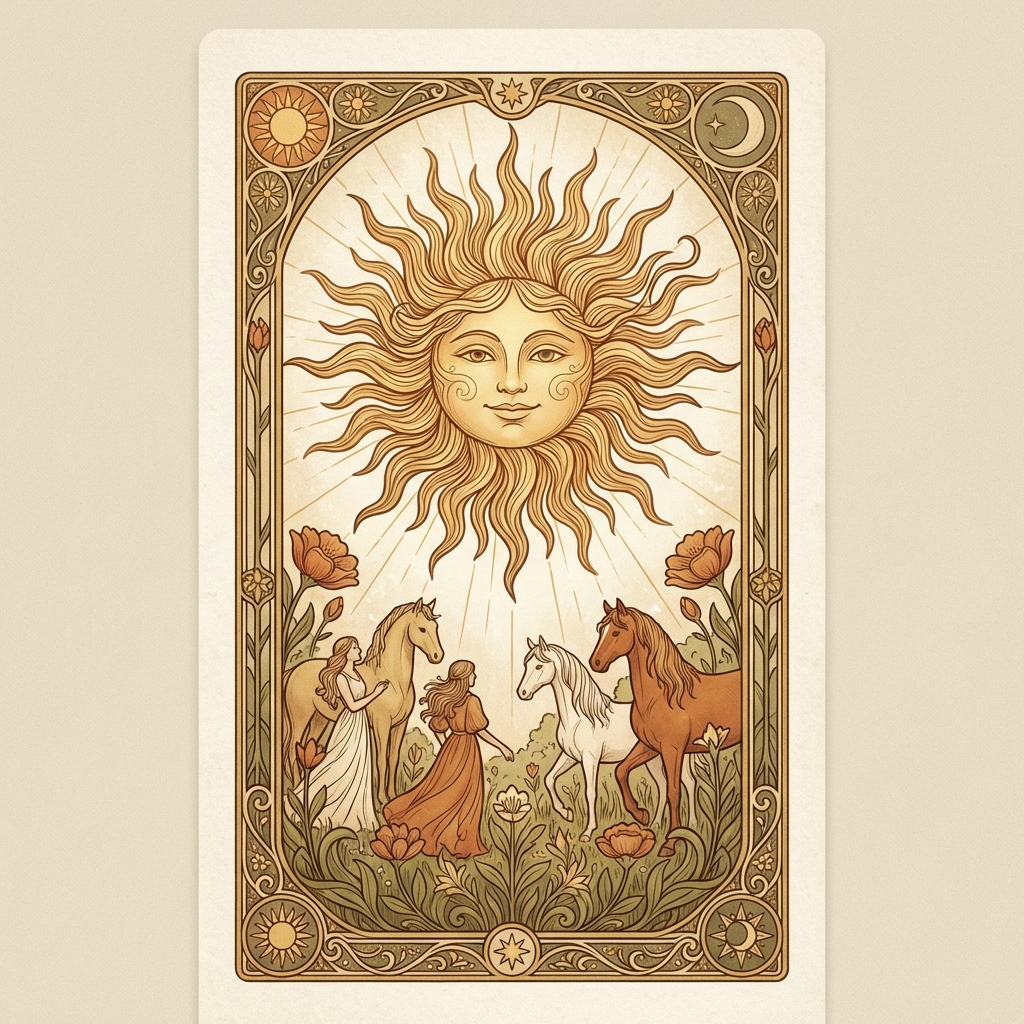 Your Card
I've seen people dismiss the 1-card pull as too basic. That's a mistake. A single card forces you to sit with one idea instead of juggling five or ten. There's nowhere to hide, no surrounding cards to soften or complicate the message.
Use it for daily check-ins, quick gut-checks before a meeting, or when you have a focused question that needs a direct answer. "What energy should I bring to this conversation?" One card. Done. The constraint is the point.
It's also the best spread for beginners because you're building a relationship with individual cards. You can't understand a ten-card spread if you haven't spent time with single cards first. Pull one every morning for a month and you'll learn more about tarot than reading three books cover to cover.
The 3-Card Tarot Spread: The Workhorse
If the 1-card pull is a question mark, the 3-card spread is a short story. Three positions, usually read left to right, each one adding context to the last.
 1
Past
1
Past
 2
Present
2
Present
 3
Future
3
Future
The classic version is Past / Present / Future, but that's just one option. You can assign any three-part framework to those positions:
- Situation / Challenge / Advice — great for problem-solving
- Mind / Body / Spirit — useful for wellness check-ins
- You / Partner / Relationship — a quick read on dynamics
- Option A / Option B / What to Consider — perfect for decisions
The 3-card spread is the layout I recommend for about 80% of readings. It gives enough structure to tell a story without becoming overwhelming. When someone asks me which tarot spread to start with, this is always my answer.
One thing that trips people up: the positions aren't isolated. Card two doesn't just mean "the present" in a vacuum. It means "the present, given what card one revealed about the past." Read across, not in silos. The narrative arc between the cards matters as much as the individual meanings.
The Celtic Cross Spread: Powerful but Overused
The Celtic Cross is the most famous tarot spread in the world. Ten cards, a cross pattern with a staff to the right, positions covering everything from your subconscious to your final outcome. It's been the default "serious reading" layout for over a century.
 3
Above
3
Above
 5
Recent Past
5
Recent Past
 6
Near Future
6
Near Future
 4
Below
4
Below
 10
Outcome
10
Outcome
 9
Hopes & Fears
9
Hopes & Fears
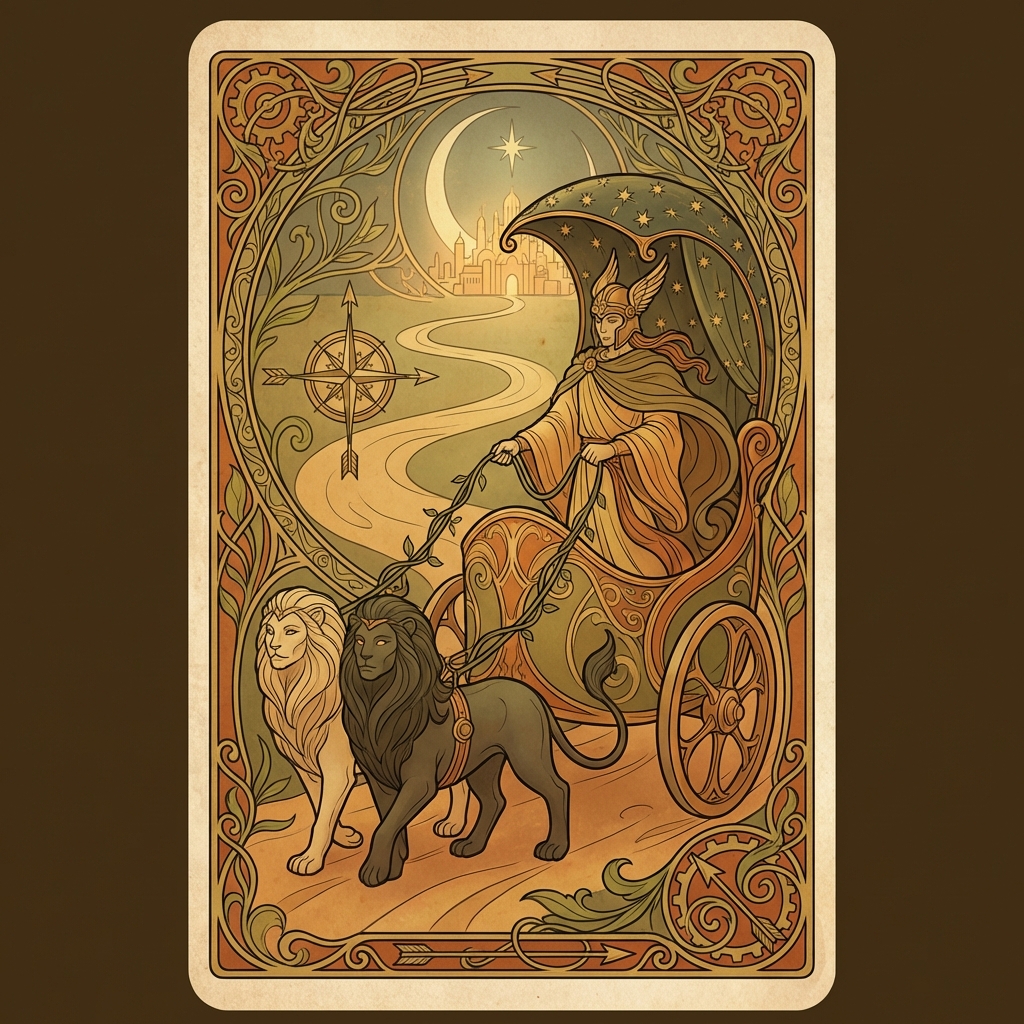 8
External
7
Your Attitude
8
External
7
Your Attitude
Here's a breakdown of the ten positions:
- Present situation — the core of what you're asking about
- The challenge — crosses card 1, representing the obstacle or tension
- What's above — your conscious goal or best possible outcome
- What's below — the foundation, root cause, or subconscious influence
- The past — recent events that led here
- The near future — what's developing in the next few weeks
- Your attitude — how you're approaching the situation
- External influences — people, environment, or forces around you
- Hopes and fears — what you want and what worries you (often the same thing)
- Outcome — where this is all heading
I'll be honest: the Celtic Cross is overused. Most questions don't need ten cards. I've watched readers lay out a full Celtic Cross for "should I text him back?" and end up more confused than when they started. The spread works best for complex, layered situations where you genuinely need a panoramic view. A major life transition. A pattern you can't untangle. A question with multiple moving parts.
If your question can be answered in three cards, use three cards. Save the Celtic Cross for when you need it.
Tarot Spreads for Love and Relationships
Relationship questions are the most common reason people reach for a tarot deck, and they're also where choosing the wrong spread causes the most frustration.
A simple relationship spread uses five cards in a pattern that mirrors two people and the space between them:
1
You
2
Them
3
The Connection
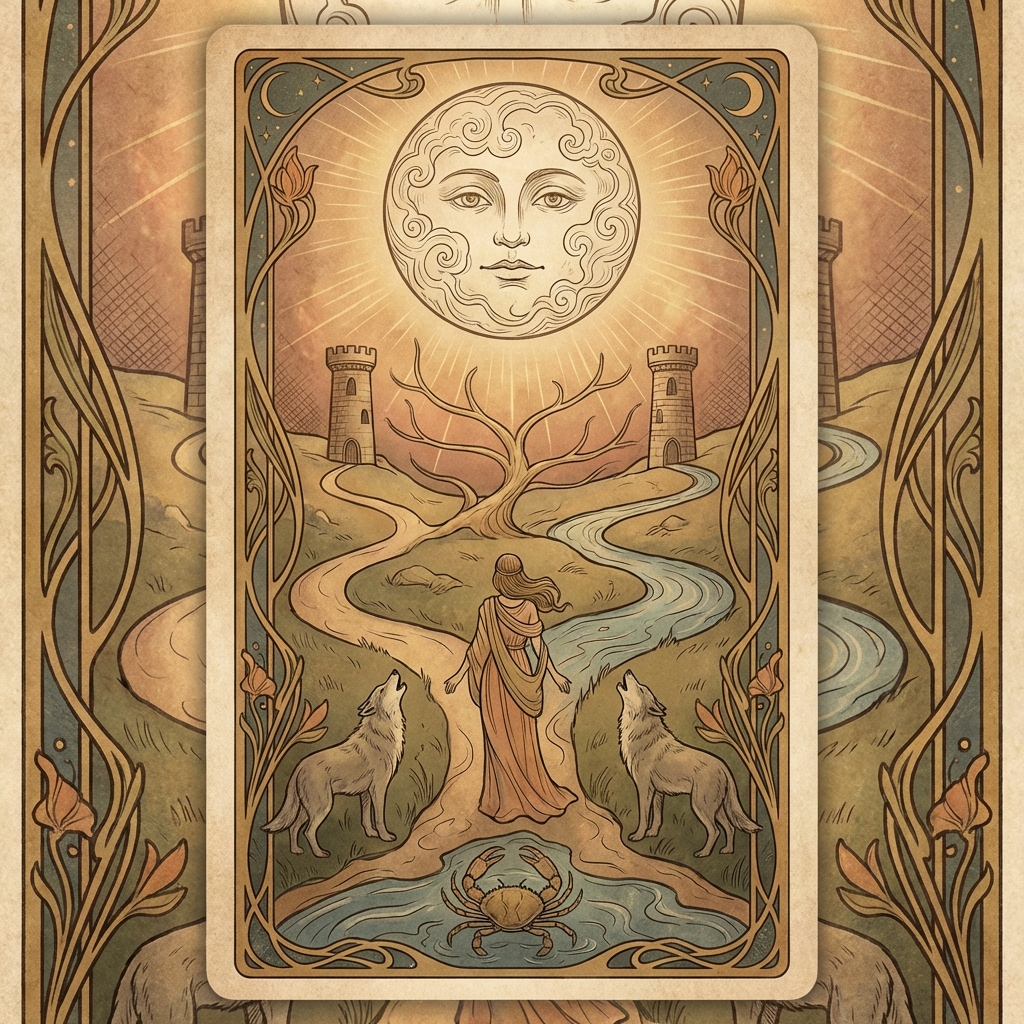 4
Your Needs
4
Your Needs
 5
Their Needs
5
Their Needs
The two columns represent each person. The center card is the relationship itself. Bottom cards show what each person actually needs from the dynamic. This layout is effective because it makes you look at the other person's perspective, not just your own.
For new relationships or potential connections, I'd trim this down. A 3-card spread with positions for "What attracts me," "What I should know," and "Potential direction" gives you clarity without overprojecting onto someone you barely know.
One mistake I see constantly: people pulling cards about their crush every single day, hoping for a different answer. Tarot doesn't work like a Magic 8-Ball. If you asked yesterday and the answer was "give it time," the cards aren't going to change their mind by Tuesday. Ask once, sit with it, then ask a different question.
Career Tarot Spreads: Decisions Without the Drama
Career readings work best with practical, structured spreads. Feelings matter, sure, but when someone is deciding between two job offers or wondering if they should start a business, you want positions that map to real-world factors.
A solid career spread uses four cards:
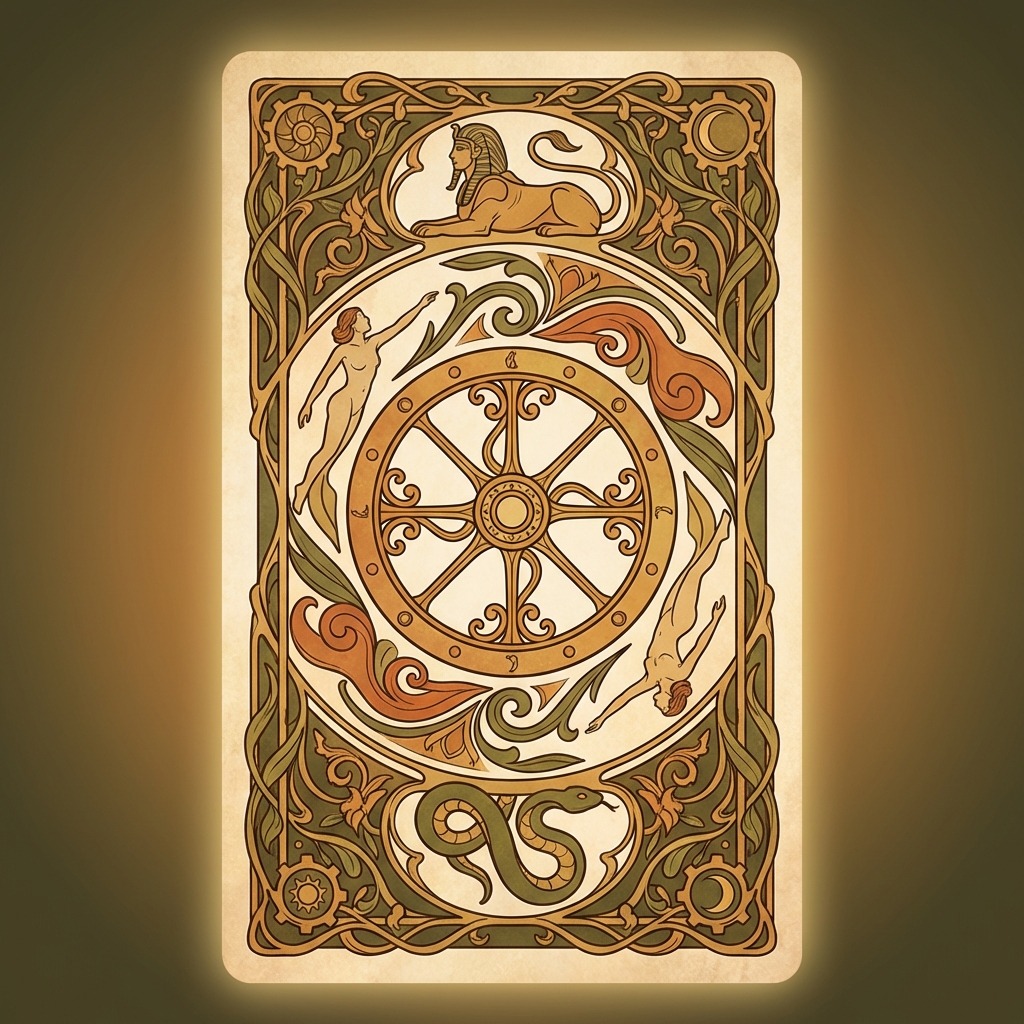 1
Current Position
2
Strengths to Leverage
1
Current Position
2
Strengths to Leverage
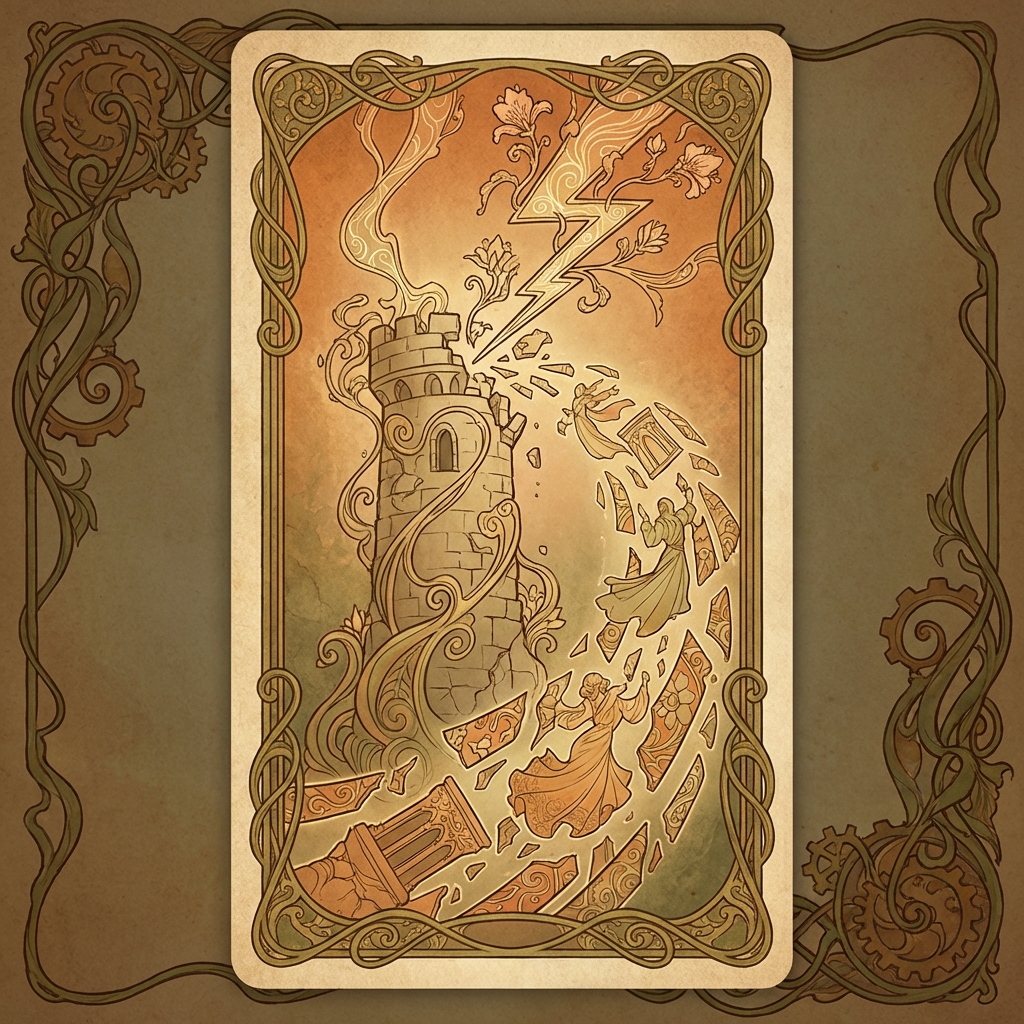 3
Obstacles Ahead
4
Best Next Step
3
Obstacles Ahead
4
Best Next Step
Position 1 grounds the reading in where you actually are, not where you wish you were. Positions 2 and 3 give you the push-pull dynamic that every career decision involves. And position 4 is the actionable takeaway, the thing you can actually do this week.
For comparing two specific options (stay vs. leave, Job A vs. Job B), modify this into a two-column comparison. Three cards per option covering growth potential, daily satisfaction, and long-term trajectory. Lay them side by side and let the contrast speak for itself.
If you want to try a career-focused reading with these positions, it helps to write your specific question down before you start. Vague career questions produce vague career answers.
How to Choose the Right Tarot Spread
The spread should match the complexity of your question. That sounds obvious, but it's the rule most people break.
A question with a clear focus ("What should I know about this job interview?") works beautifully with one to three cards. A question with multiple layers ("Why do I keep ending up in the same kind of relationship?") benefits from five or more positions that can address different dimensions of the pattern.
Here's a quick mental framework:
- Yes/no or daily guidance → 1-card pull
- Narrative or timeline questions → 3-card spread
- Relationship dynamics → 5-card relationship spread
- Career decisions → 4-card career spread
- Complex, multi-layered situations → Celtic Cross
Also consider what you're going to do with the reading. If you need a quick decision and you're doing a reading on your lunch break, a Celtic Cross is going to feel more like homework than guidance. Match the spread to the moment, not just the question.
Creating Your Own Tarot Spreads
Once you've worked with established spreads long enough, you'll start seeing their limitations. Maybe you want a position the standard layouts don't include, or you have a question that doesn't quite fit any template.
Good news: you can design your own. The process is simpler than it sounds.
Start by writing your question, then break it into the specific things you need to understand. Each of those becomes a card position. If you're asking about moving to a new city, your positions might be: What I'd gain, What I'd leave behind, The biggest adjustment, What I'm not seeing, and Advice for the decision. Five positions, each doing specific work.
The layout shape doesn't matter as much as people think. Arrange the cards in whatever pattern feels intuitive. Some readers like linear rows. Some like diamonds or stars. The positions and their relationships matter more than geometry.
A few guidelines that help: keep it under eight cards unless you really need more. Give each position a clear, specific label (not just "energy" or "influence," which are too vague to interpret). And make sure at least one position is action-oriented. A spread that only describes a situation without suggesting a direction forward leaves you stuck.
Tips for Getting Better Readings from Any Spread
The spread is the structure. But how you use it determines whether the reading actually helps.
First, ask a good question. A precisely worded question with the right tarot spread will outperform a vague question with a fancy layout every single time. Spend a minute formulating what you actually want to know before you touch the cards.
Second, read the cards in relationship to each other. This is the skill that separates experienced readers from beginners. A card in position 3 doesn't just have its own meaning; it responds to and modifies what positions 1 and 2 already said. Look for patterns across the spread. Multiple cards from the same suit? Lots of Major Arcana? Court cards facing toward or away from each other? Those patterns tell a story that the individual card meanings can't capture alone.
Third, pay attention to what surprises you. If you lay out a career spread and a love card shows up in an unexpected position, don't dismiss it. The spread told you what kind of answer to expect, and the card just complicated that expectation. That tension is where the best insights live.
Finally, keep it simple more often than not. I've done thousands of readings and I still use the 3-card spread more than anything else. Complexity isn't depth. A three-card pull with a clear question and careful interpretation will tell you more than a ten-card layout you rushed through.
Ready to try it yourself?
Put what you've learned into practice with a free AI-guided reading.
Get a Free Reading